Educator Development Workshop for IDEATE
About me
Charles Martin
- computer scientist, music technology researcher, performer
- teaching computing at ANU since 2019 (and before that…)
- Assistant Associate Director Education, School of Computing
- teaches HCI, music computing, systems, creative coding, etc.
- lately responsible for training tutors in our college (~90 in 2025)
- goal: make sure our school is an inclusive place to learn computing
Big Problems
our teaching staff make or break inclusion
they don’t know how to help!
they might be inclusion skeptics ⚠️⚠️
- Teachers in higher ed often have broad autonomy
- Course convenors/lecturers/unit coordinators often in charge of:
- content, learning activities, assessment
- decision maker on some types of adjustments and special considerations
- sets tone for learning environment
Big Questions
what teacher development strategies can help make computing education inclusive?
for engaged colleagues: what resources and measures can we suggest?
for skeptics: how can we bring them on side?

Example: Small Class Teacher Training at ANU
ANU Centre for Learning and Teaching provided tutor training for computing until 2024.
I stepped in to re-design tutor training for the College of Systems and Society (~90 tutors in 2025).
1.5 hours on inclusive teaching practice:
- what is inclusion?
- why does it matter?
- what can you (a casual) do about it?
Adapted strategies from UniReadyToolkit (link) to make sense for tutors.
UniReadyToolkit Principles
- know your students
- design inclusive curricula and assessments
- embed academic literacies (e.g., hidden curricula)
- use diverse teaching strategies and resources
- create inclusive classroom environment
- embed support systems
- facilitate continuous reflection
Task 2: Engaging Skeptics Eight Ways
- the task is to ideate ways to bring skeptics on side
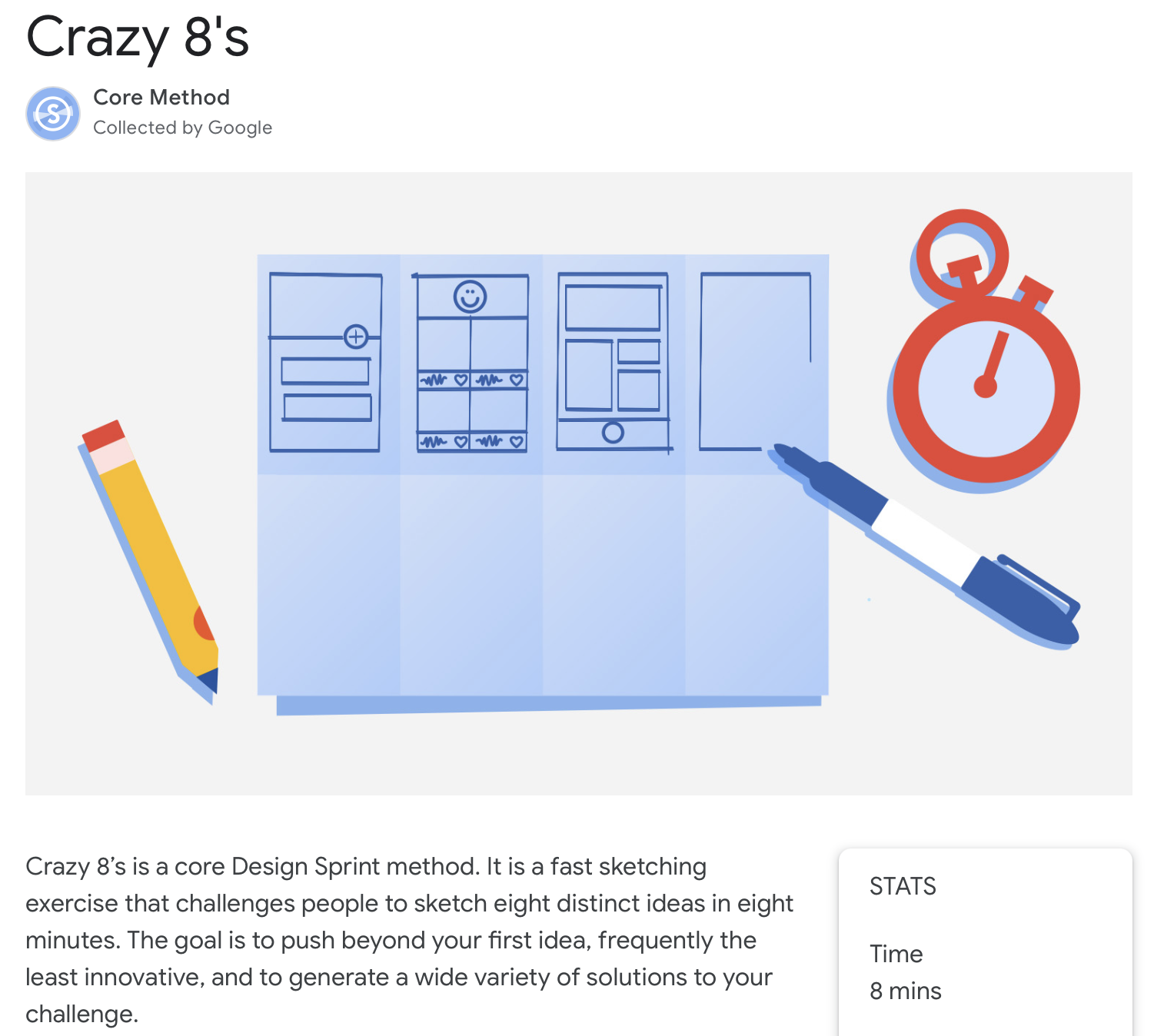
we’ll do a Crazy 8s design sprint.
- fold your piece of paper into 8 sections.
- start the 8 minute timer
- sketch one idea in each rectangle
- stop when the alarm goes off