Inclusive Teaching Practice
Inclusion, Diversity and Accessibility

ANU stance on inclusion
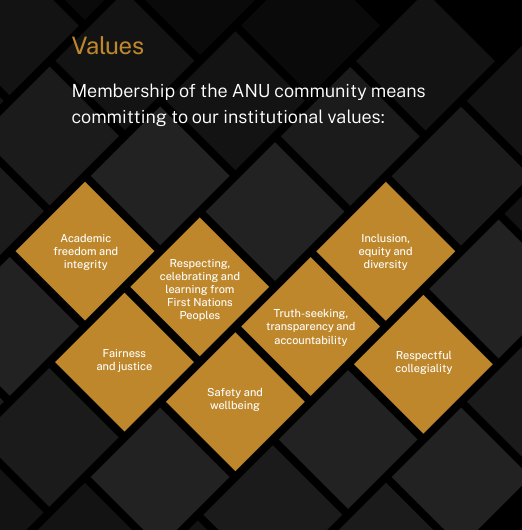
Membership of the ANU community means committing to our institutional values, including “being a standard-bearer for equity and inclusion”. ANU Strategic Plan 2021-2025
Equity vs Equality
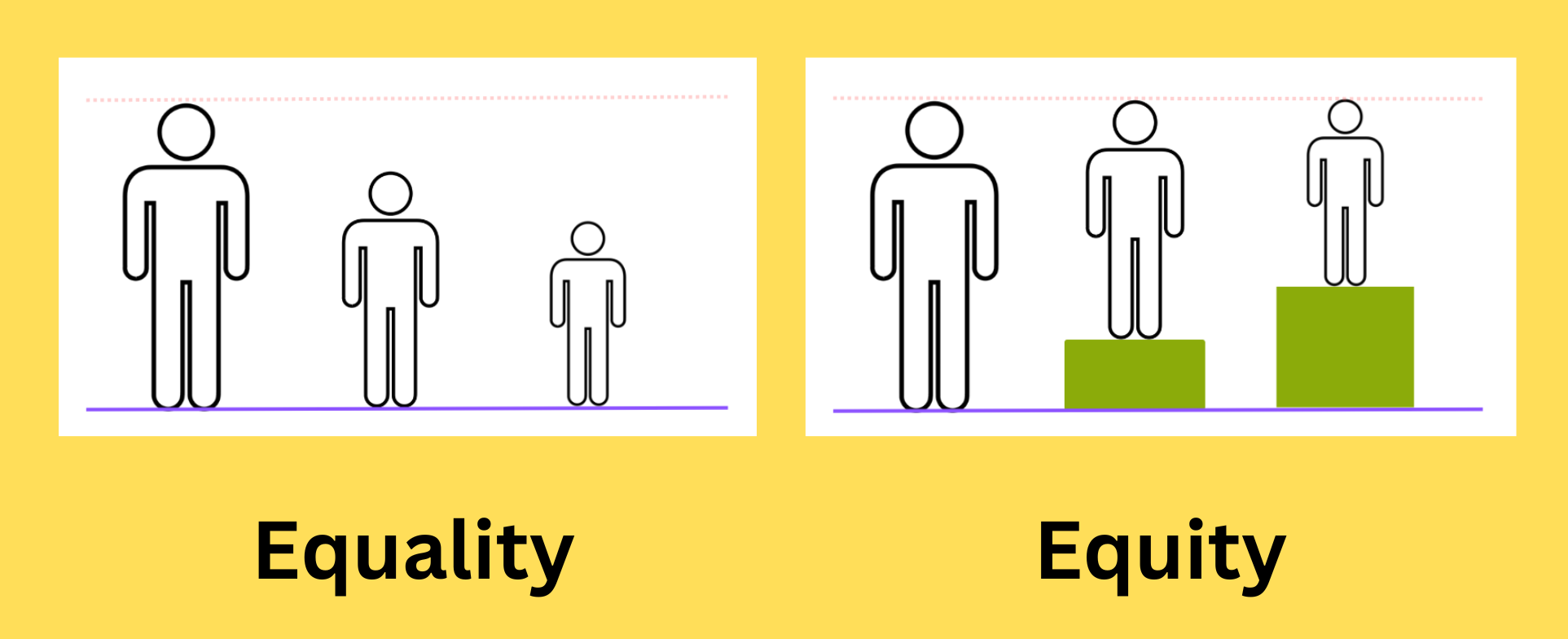

- Equality: Everyone receives the same support regardless of need.
- Equity: Individuals receive the support they need to achieve the desired outcomes.
Task Diversity in the classroom
Think-Pair-Share:
Given that university classrooms are diverse, what opportunities and benefits does this provide?
- Think individually (1 min)
- Pair: discuss with a partner (1 min)
- Share: present examples to the group (2 mins)

Barriers to learning

Barriers to learning
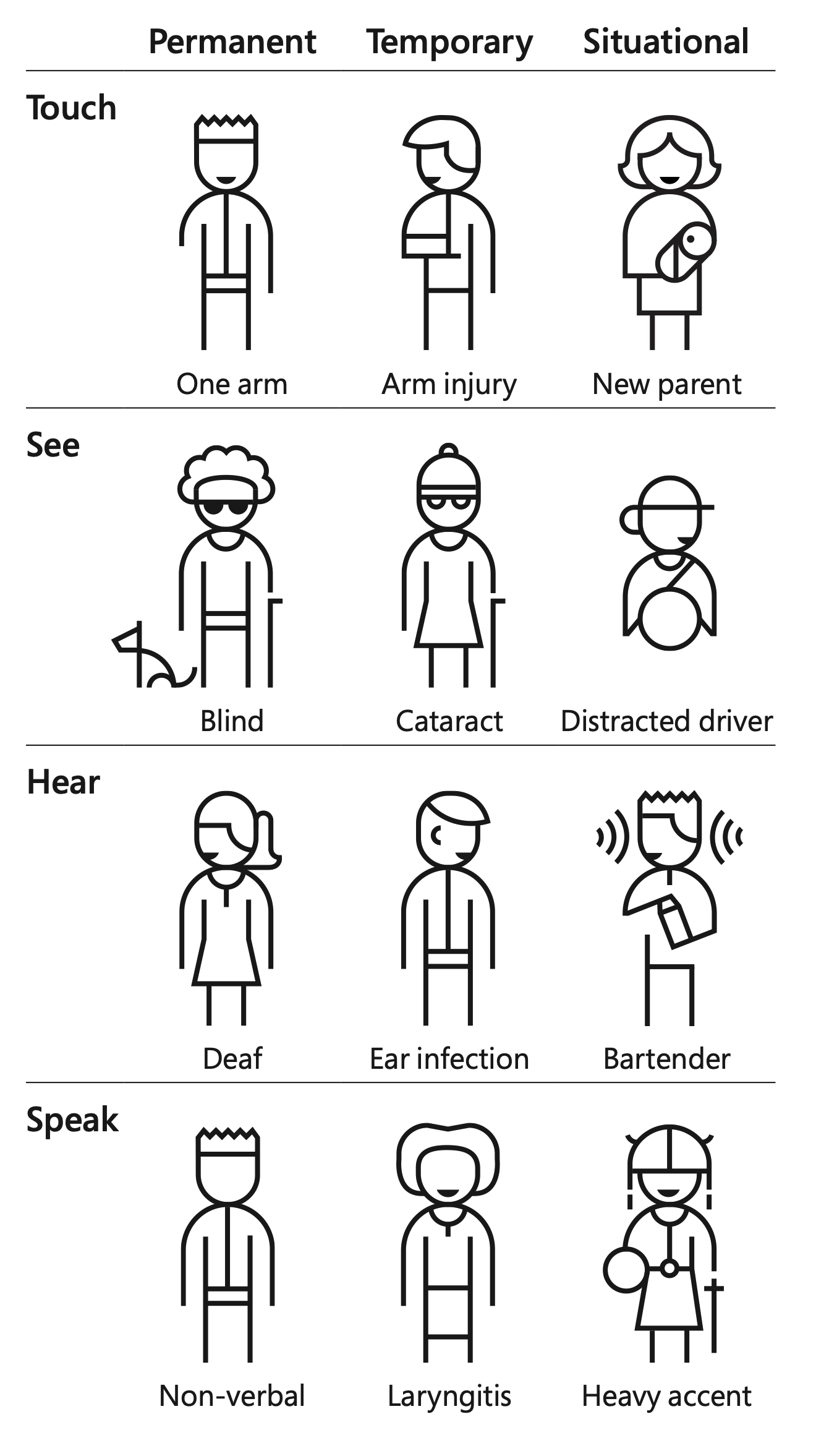
- Barriers could be: physical, sensory, mental, emotional, cognitive, cultural, social.
- Factors may lead to challenges depending on context, or only some situations.
- They may be permanent, temporary, or situational for the individual
- Inclusive teaching can help individuals with specific challenges but the assistance can extend to others as well.
Some other barriers:
- cognitive: information processing, learning speed
- sensory: classroom environment, learning activity format and presentation
Accessible Digital Content
- Digital content in your classes may not be accessible our students because of issues with formats, images, or structure.
- For example, folks who use screen readers or other assistive technologies.
- But also, folks looking at course sites on their phone or tablet (!)
- ANU has some advice about accessible digital content
- Canvas has built-in accessibility checkers
Inclusion anti-patterns
Sometimes our ways of working are not as inclusive as we would hope.

UniReadyToolkit Principles
Broadly adapted from UniReadyToolkit (link) (Teague et al., 2024)
Know your students
Seems straightforward, but is it?
- This will make it easier to see and respond to their needs.
- If you know your students you will want to help
- In many cases you will know what to do when you see it.

Embed Academic Literacies
This is about being explicit in the skills needed to complete and demonstrate learning.
- Explicity teach academic conventions
- Encourage active engagement in academic texts
- Explicity teach information literacy skills
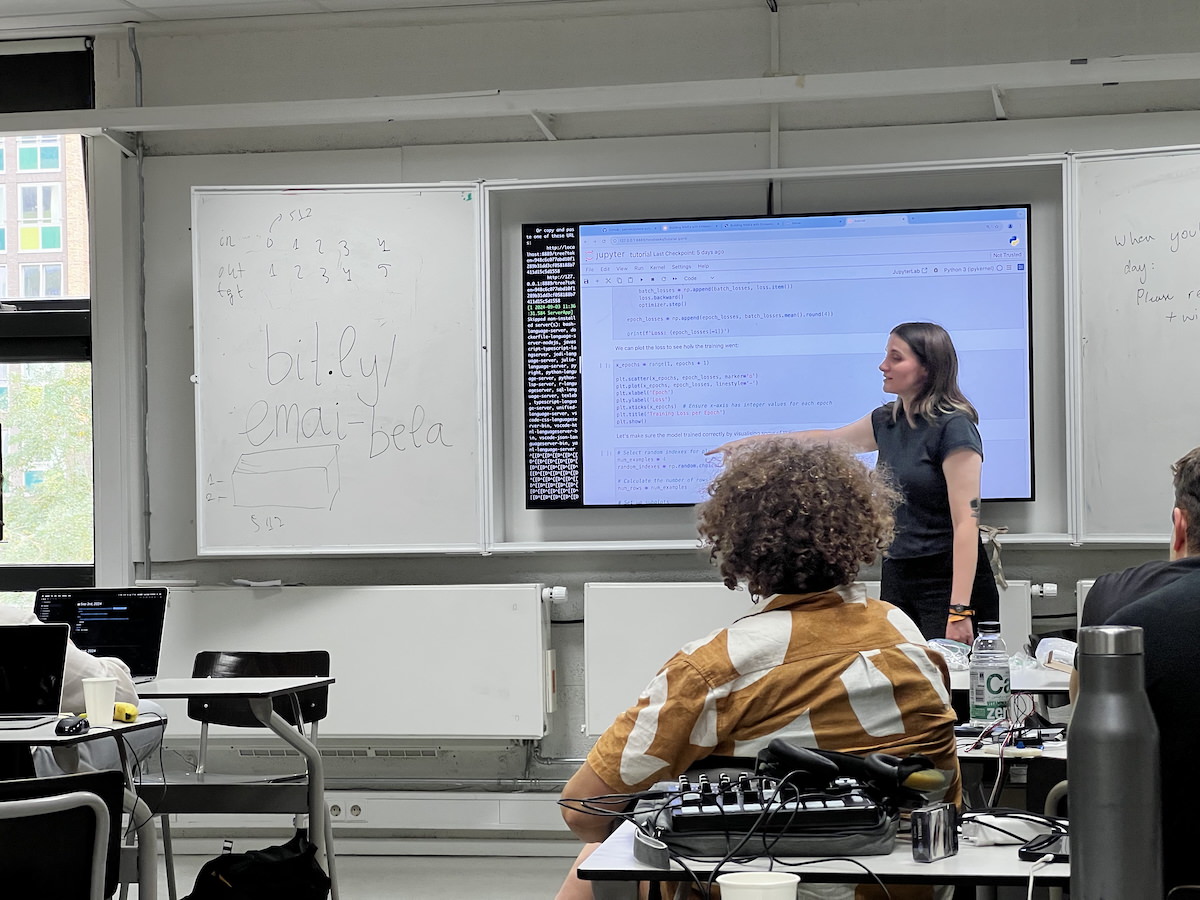
Create an inclusive classroom environment
- Cultivate a positive and inclusive classroom culture
- Support goal setting and achievement
- Encourage self-reflection
- Promote positive role models
Embed support systems
- Incorporate help seeking into classes
- how can we encourage questions?
- Direct students to available support resources

Questions: Who has a question?
Who has a question?
It’s time to head home! Happy to take questions now or hear from you over email anytime…