Dr Charles Martin
In this session we will:
What worries and questions do you have about feedback and marking?
Use the sticky notes from your table and answer these two questions:
One question per sticky note! We will hear some together from each table.
Diagnosing
Monitoring
Evaluating
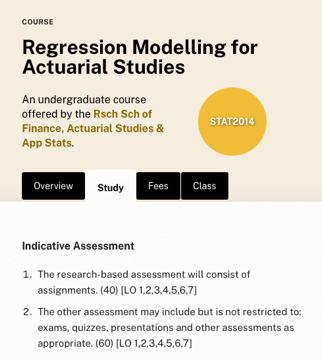
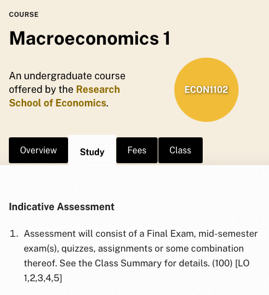
What are the assessments in the course(s) you’ll be tutoring in?
Are these assessments opportunities for feedback? What is the purpose?
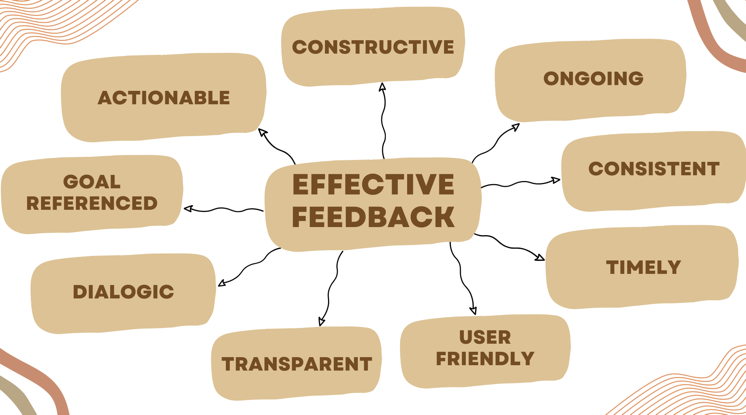
By yourself, reflect on your experiences giving and receiving learning feedback. What does effective feedback look like?
Individually write down 3 adjectives, one per sticky note: Effective feedback should be…
Share your 3 adjectives with your group and explain why you chose them.
We will make a big list together on PollEverywhere.
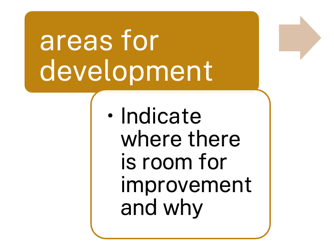
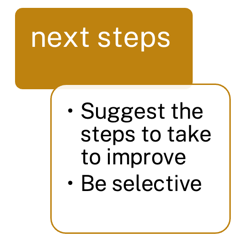
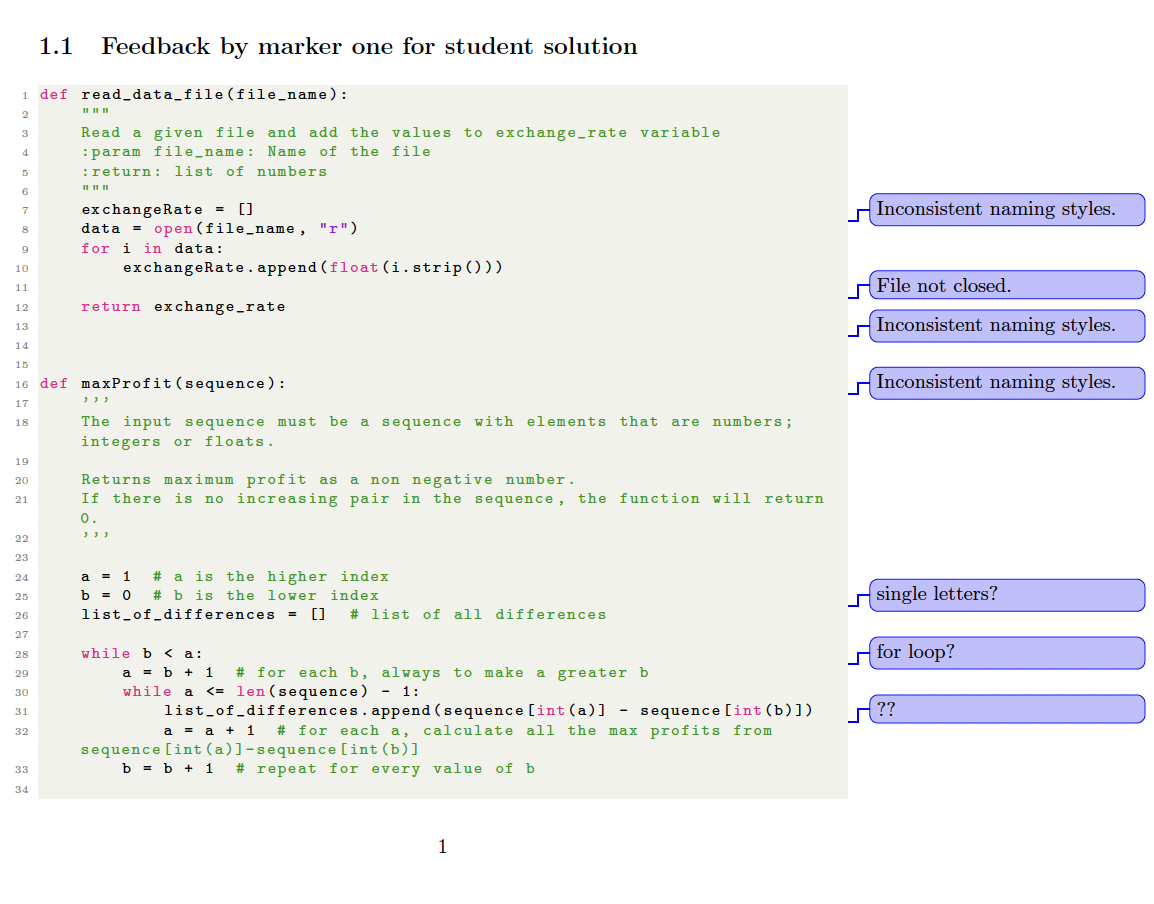
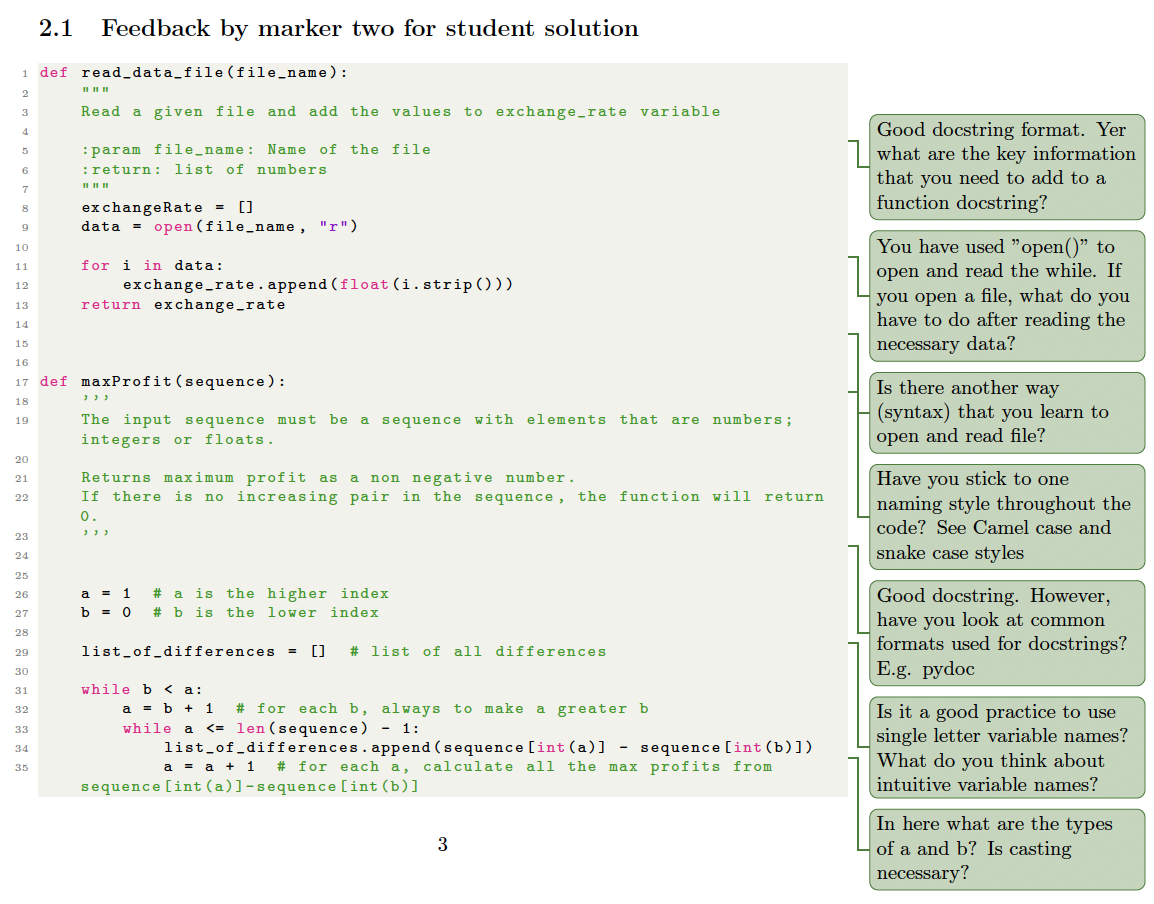
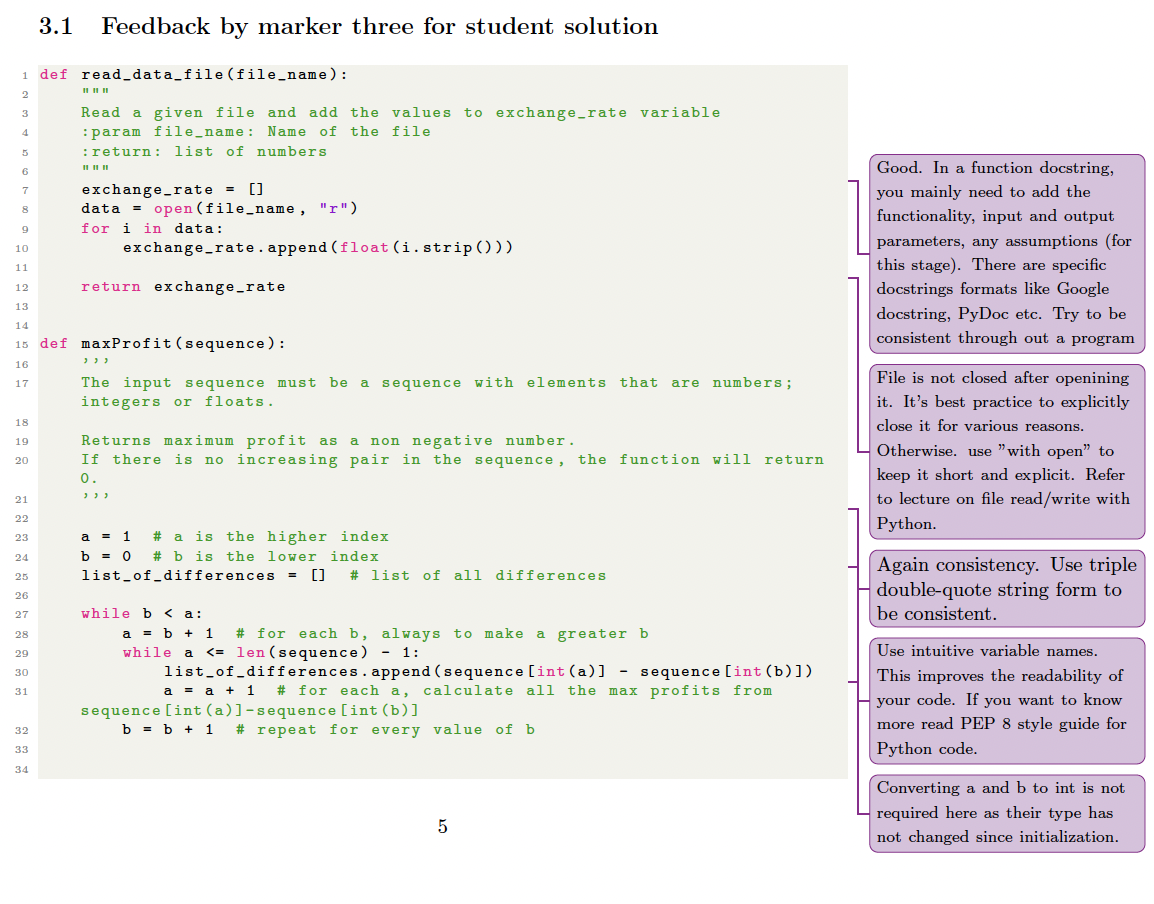
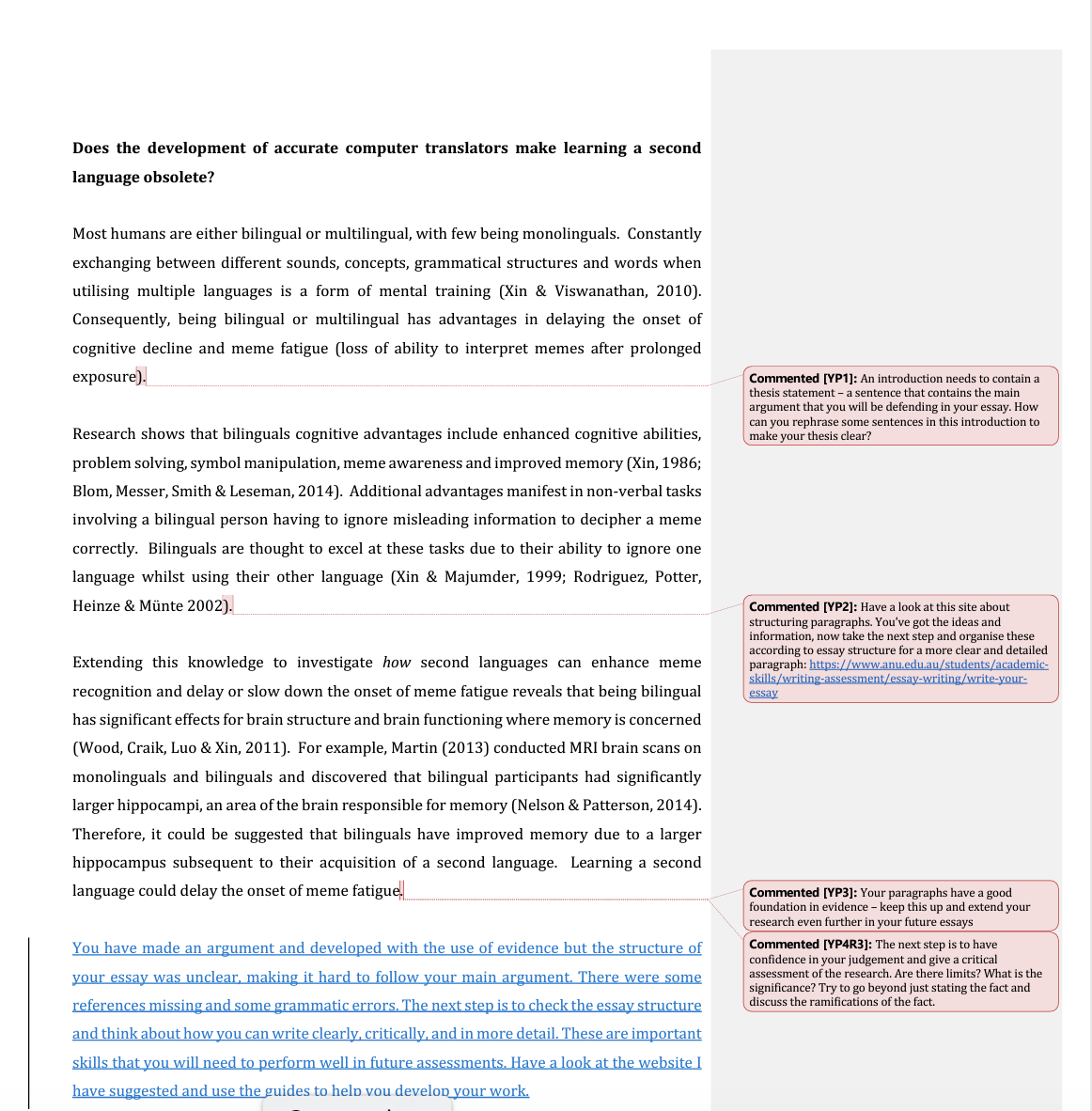
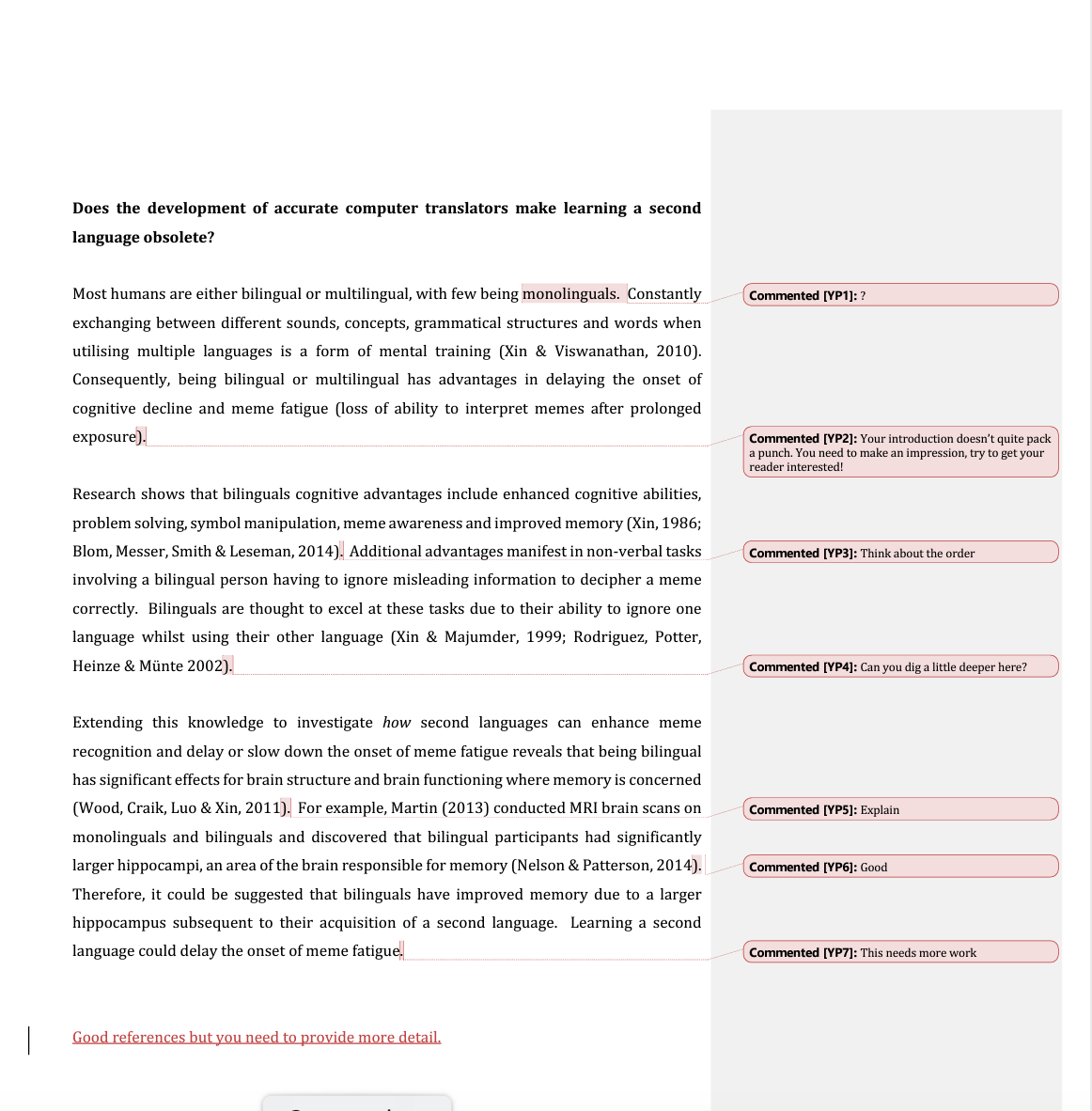
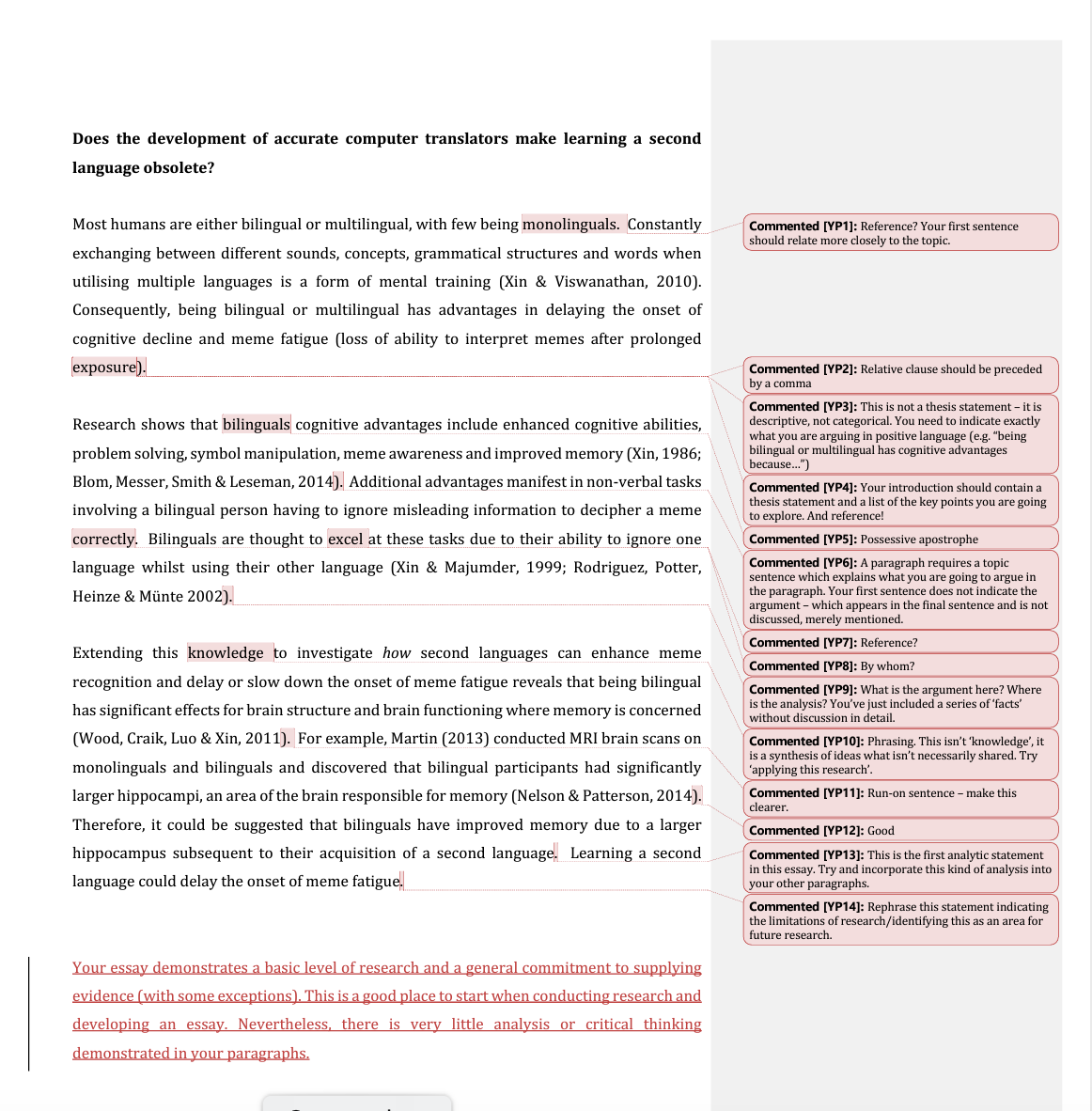
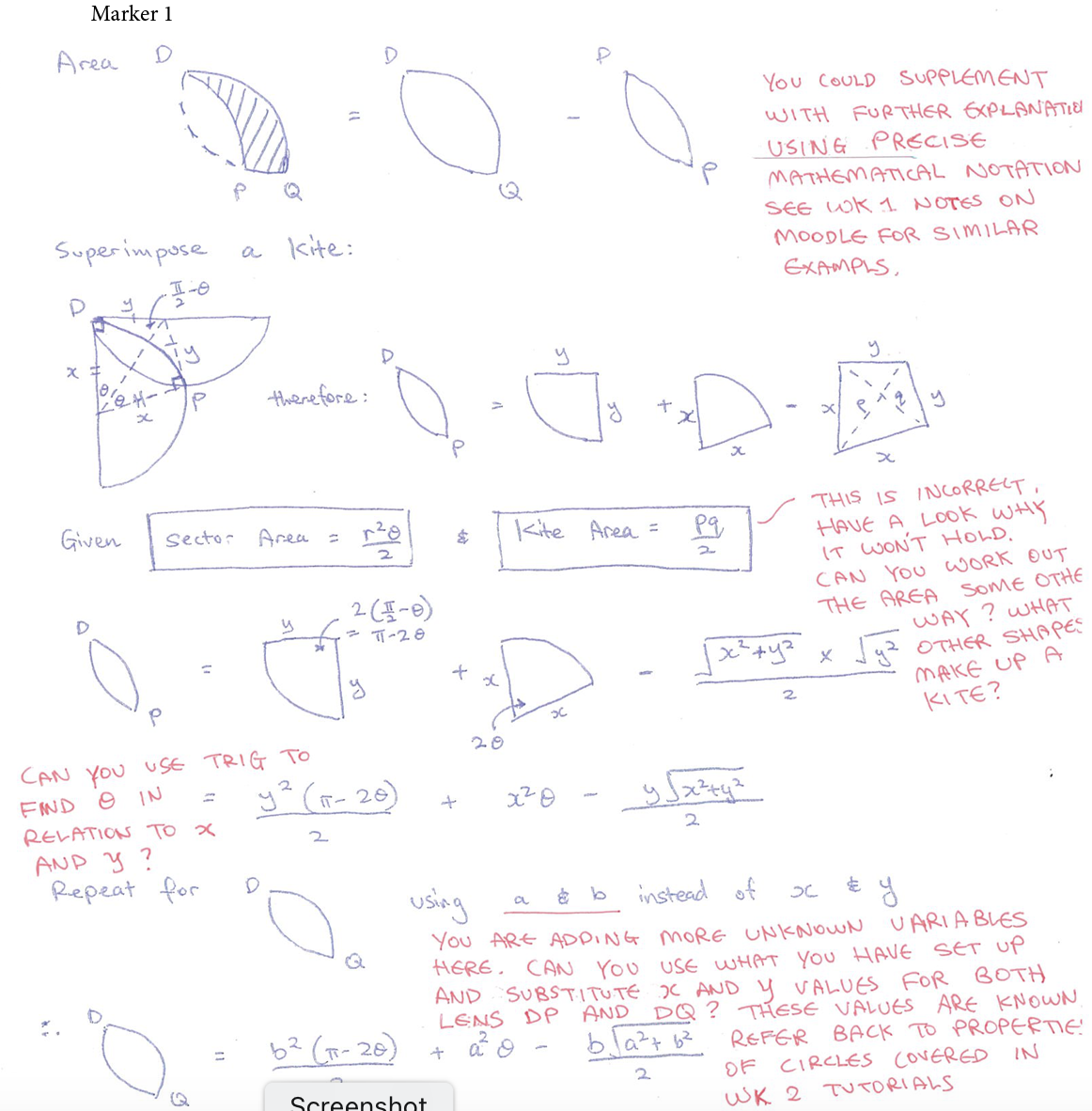
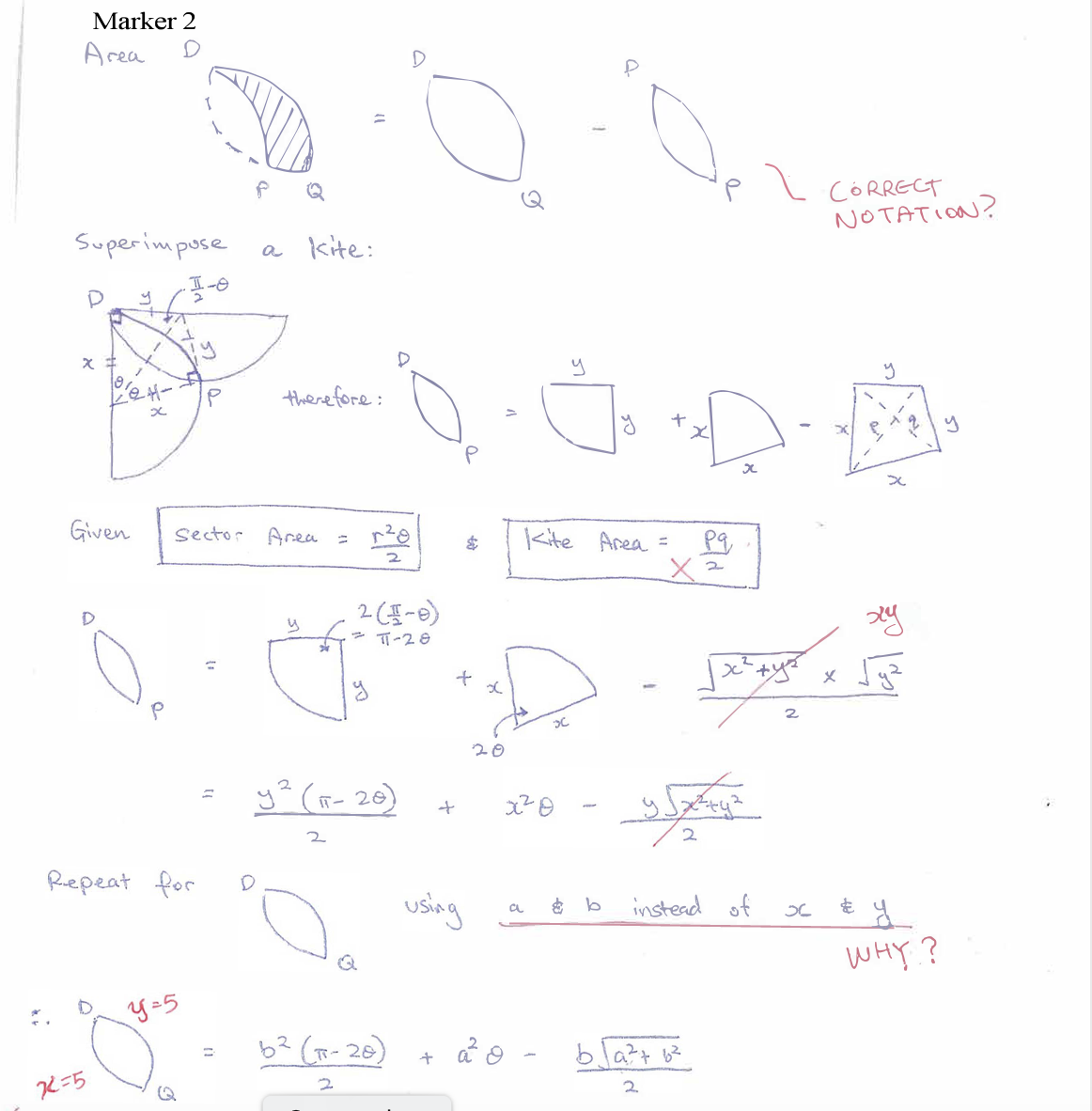
Consider this approach below when providing feedback:
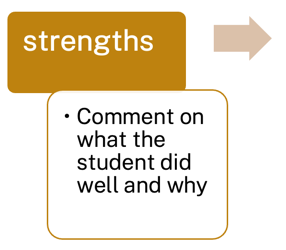
You may also apply facilitation techniques where appropriate.
“But the tutor told me my project is great!”
What might you do to overcome or address these?
Some students will attack feedback and use the content to appeal a grade.
Be careful about providing feedback in person (e.g., in labs) on assessment items outside of written communication. Students can (and do) use casual conversations as a basis for appeal.


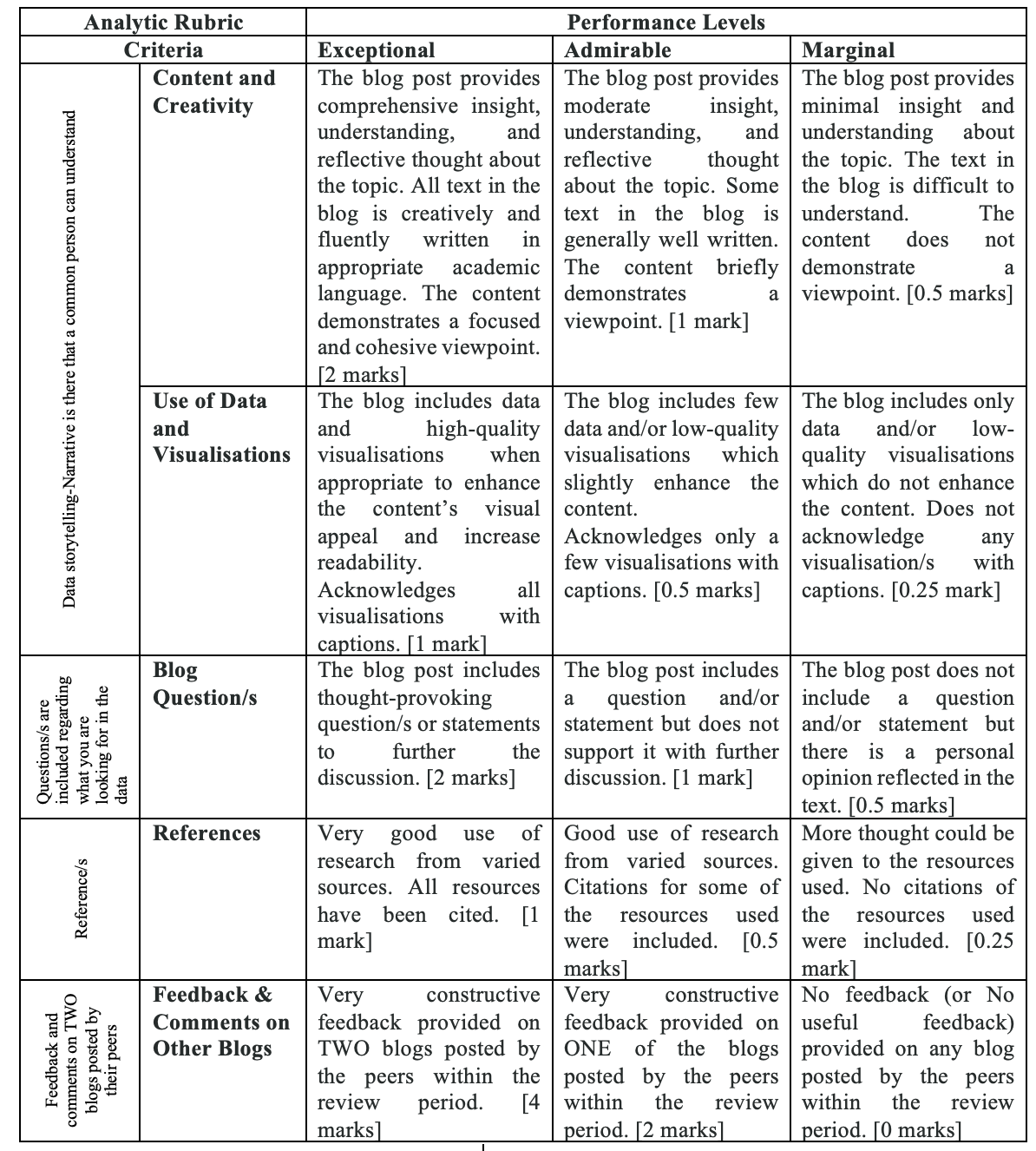
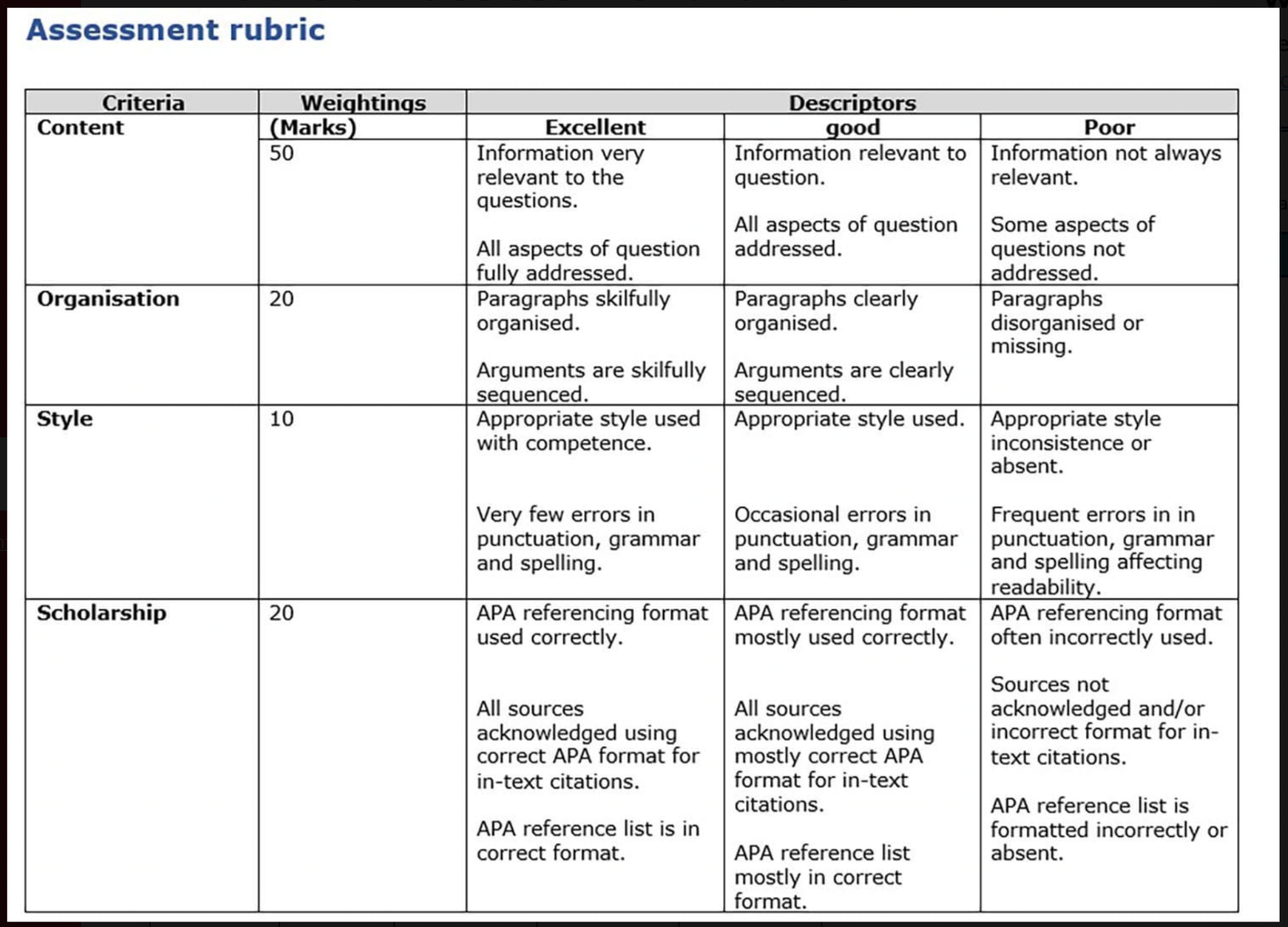
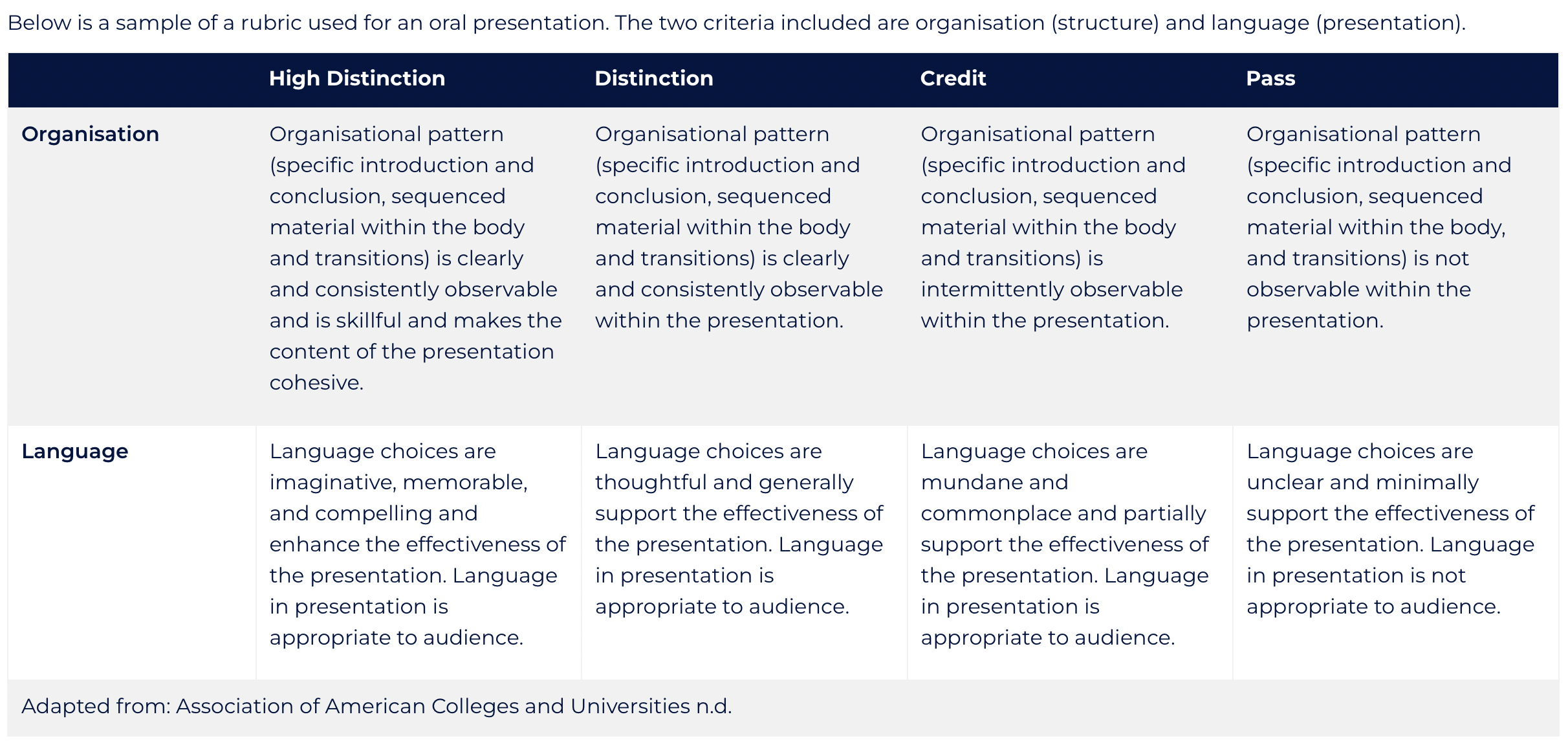
Question: Do you look at rubrics or marking criteria as a student? Do you know how to find them?
https://www.uow.edu.au/student/learning-co-op/assessments/rubrics/
| Grade | Letter Grade | Mark (%) | Standards |
|---|---|---|---|
| High Distinction | HD | 80-100 | exceptional quality… |
| Distinction | D | 70-79 | superior quality… |
| Credit | C | 60-69 | good quality… |
| Pass | P | 50-59 | satisfactory quality… |
| Fail | N | 0-49 | Attainment of learning outcomes has not been demonstrated |


| CRITERIA | HD | D | CR | P | N |
|---|---|---|---|---|---|
| Sophistication of articulation and application of concepts of computer-based art. (50%) | The artwork applies highly sophisticated concepts. The statement describes and critically engages in these qualities to an excellent or outstanding degree. | The artwork that applies sophisticated concepts. The statement that describes and discusses these qualities. | Some concepts have been applied but there may be gaps in sophistication. The statement describes these qualities. | The artwork that may only apply some concepts or apply them in a simplistic way. The statement describes these qualities. | The artwork does not sufficiently apply these concepts and the statement may not describe them sufficiently. |
| Sophistication of application of visual and physical interaction concepts that reflects on recent developments. (25%) | Excellent to outstanding interactions that are expressive, sophisticated, and enhance the viewer’s experience. | Very good application interactions that are expressive and enhance the viewer’s experience. | Interactions that are expressive but may not enhance the viewer’s experience. | Interactions that may be simplistic rather than expressive and do not enhance the viewer’s experience. | The work may not feature significant interactive features or features that do not engage the viewer or enhance their experience. |
| Sophistication of design and construction of a p5.js program that is appropriate for the task. (25%) | Excellent to outstanding program design that is appropriate for the task and supports a highly engaging experience for the viewer. | Very good program design that is appropriate for the task and supports an engaging experience for the viewer. | Good design and construction. The program is functional and sufficiently sophisticated to support the task. | The program is functional and supports the task, but may not be entirely appropriate or sufficiently sophisticated. | The program does not adequately support the task, is not appropriate, or is not sufficiently sophisticated. |
| CRITERIA | HD | D | CR | P | N |
|---|---|---|---|---|---|
| Sophistication of application of fundamental concepts in sound and music computing. (50%) | Excellent to outstanding SMC implementations going beyond learning materials. | Very good application of SMC concepts, but not beyond learning materials. | Application of SMC at level of learning materials. May have gaps in some areas. | Some effort to replicate SMC learning materials resulting in functional SMC software. May have only applied some SMC concepts covered. | Very little SMC software or software that is below the level of learning materials. |
| Sophistication as a solo performance with a computer music instrument, of a computer music composition or as an interactive media work. (50%) | Excellent to outstanding performance. Sophisticated interaction and presentation demonstrating in-depth exploration of SMC software. Excellent adherence to the submission format. | Very good as a computer music performance with detailed interaction and presentation that demonstrates the SMC software. Excellent adherence to the submission format. | A good computer music performance that may not show sophisticated interaction and presentation of the SMC software. Good adherence to the submission format. | A satisfactory performance that may have limited interaction and weak presentation of the SMC software. The adherence to the submission format may be poor. | Below acceptable standards as a performance. May have very poor adherence to submission format. |
Tip for marking from a rubric: Work out consistent marks for each grade level, e.g., for a criterion out of 10:
| Total | HD | D | CR | P | N |
|---|---|---|---|---|---|
| 10 | 8-10 | 7 | 6 | 5 | 0-4 |
| 5 | 4-5 | 3-4 | 3 | 2-3 | 0-2 |
| 4 | 4 | 3 | 2 | 2 | 0-1 |
| 2 | 2 | 2 | 1 | 1 | 0 |
Some LMS and paper approaches have a scale within each box.
Who has a question?
It’s time for a break so we can remember questions for when we come back or for discussion over tea…