How to be a tutor in the College of Systems and Society

Dr Charles Martin

Acknowledgement of Country

Image of Canberra from Mt Painter towards Black Mountain

What are the goals for today?

Admin and Strategies:

  • Admin: hours, payslips, timetables, who to ask about what
  • Knowledge: what is teaching about anyway?
  • Strategies: facilitating labs, marking and feedback, inclusive teaching

Acknowledgements: Many slides here created by members of the former ANU Centre for Learning and Teaching.

Schedule

  • 09:30: 1. How to be a tutor
  • 11:00: Morning Tea
  • 11:30: 2. Facilitating Classes
  • 13:00 Lunch
  • 13:30: 3. Feedback and Marking
  • 15:00: Afternoon Tea
  • 15:30: 4. Inclusive Teaching
  • 17:00: Finish

How to be a tutor

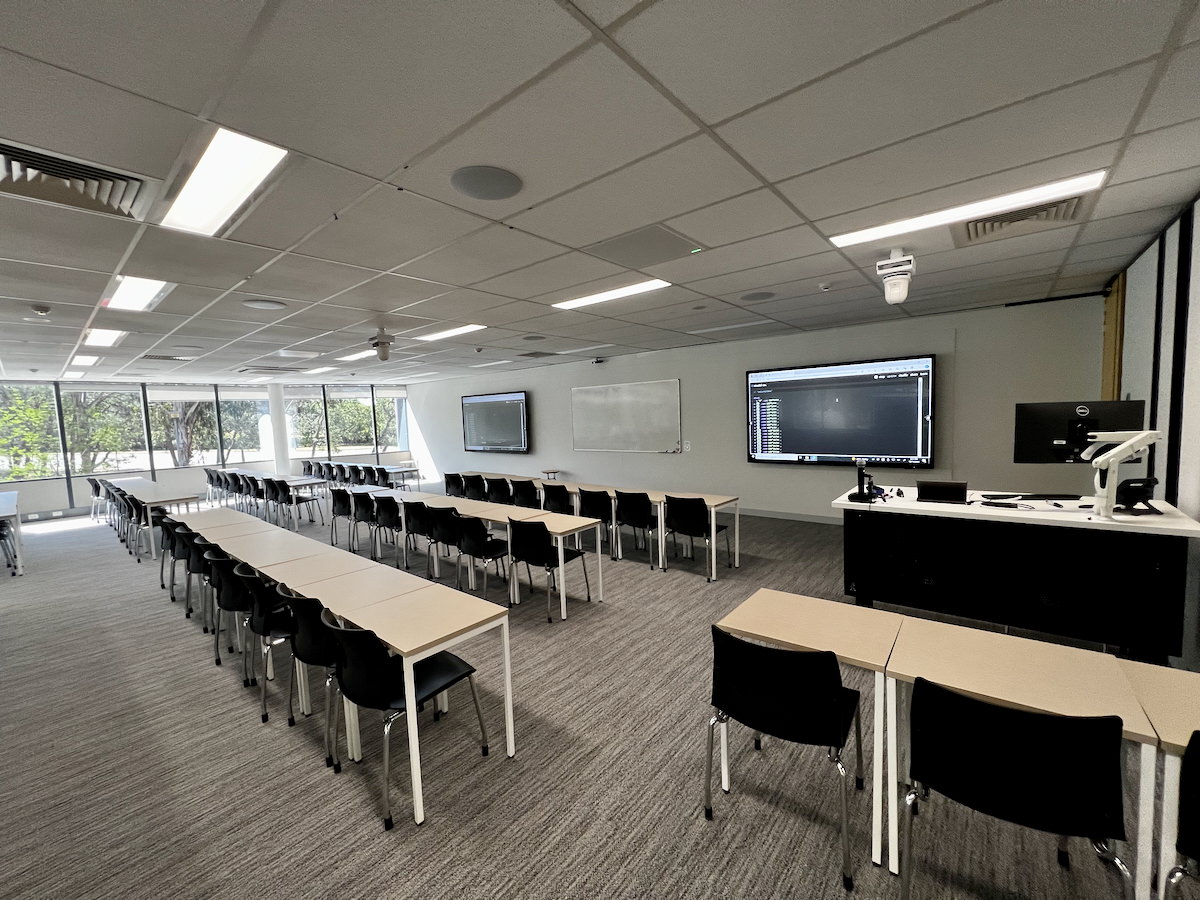
An ANU classroom in the Fulton Muir Building

Task: Journey as an educator (5mins)

Everybody here has experience as a learner but this might be the start of your journey as an educator.

Or you might have had some experiences before… (maybe not as a job!)

Examples: piano teaching kids, coaching soccer team, homework help for high-schoolers, leading a club or society

Who here has had a teaching experience before?

We will discuss examples from the room.

Have you taught before?

Charles’ Teaching Journey

  • 2003: (in highschool): helping out percussionists in junior concert band
  • 2005: First work as a private percussion/drumset teacher
  • 2007: (maybe?): Tutor for MATH1013/14 at ANU (!)
  • 2014-2016: Tutor and Casual Lecturer at ANU (COMP1720, MUSI3309, COMP2100, COMP2300)
  • 2019: Lecturer at ANU (COMP2300/6300, COMP1720/6720, COMP4350/8350)
  • 2022: Developed study programs for Human Centred and Creative Computing (HCCC-MAJ, HCCC-MIN, HCCC-SPEC, HCCM-SPEC)
  • 2025: Training new CSAs, teaching COMP3900/6390.
  • 2026: ….????

What’s tutoring like?

  • Teaching labs: standing at the front speaking to a whole class, helping individuals with work, answering questions, listening to problems and issues, helping students learn!
  • Marking assessments: evaluating work (what have students learned?), explaining evaluations, writing feedback, explaining reasoning
  • Meeting with course convenors and other tutors: going to meetings, understanding duties and tasks, providing ideas/info, incorporating feedback
  • Filling in timesheets, doing admin: navigating ANU websites, understanding rights/responsibilities at work, asking for help

Qualifications for teaching

Why did I have to fill in a docx form?

HESF (Higher Education Standards Framework) expects universities to have teachers with one degree higher than the taught curriculum. Some level of professional equivalency allowed given they have supervision and professional development (PD), e.g.,

  • PhD students allowed to teach master students
  • undergrads may teach undergrads provided they have achieved excellent results in the subject
  • Other examples, see ANUP_016608 S28 Table 2

These rules are not new, but CSS is coming into compliance.

This semester, we learned that the .docx form is unhelpful, ongoing process to replace this.

Professional development: training at the start 😇, refresher session every year 👩🏽‍🏫

Timesheets, hours, and earnings codes

Every two weeks you will need to fill in a timesheet on HORUS (the ANU HR website). Tricky because of way ANU accounts for teaching hours through “earnings codes” where 1 unit of the code may include more than 1 hour of work.

  • T42: Marking: 1-to-1 ratio
  • T44: “Other required activity”: 1-to-1 ratio
  • T21: Teaching “Supplementary / scaffolded form of delivery” (that is, tutorials or labs): 1-to-3 ratio (1 hour teaching + 2 hours of “associated working time”)
  • T23: Repeat Teaching “Supplementary / scaffolded form of delivery” (1 hour teaching + 1 hour associated working time)

Source: ANU Academic Casual Sessional Rates

What is associated working time?

ANU Enterprise Agreemtns S2.5—S2.6

  • Preparing of teaching activities
  • Contemporaneous marking
  • Administration directly associated with a teaching activity
  • Face to face consultation immediately prior to and following a face to face teaching activity
  • Online consultation (e.g. email, messages, forums) immediately prior to and following an online teaching activity
  • Attendance at meetings specifically for the purpose of assisting the CSA staff member to prepare for their teaching activity

Why do we do it this way?

  • It’s in the Enterprise Agreement
  • Provides guarantees of hours throughout the semester
  • Protects casual staff against unfair requests from academics (e.g., “You’ll have to attend the lecture to find out what to teach! No you don’t get paid for that!!”)
  • Provides an automatic allowance for preparation, Q&A and admin work.

Your manager needs to provide tasks for you to complete in Associated Working Time.

A worked example:

  • Charles the tutor teaches two 1.5-hour labs, 3 hours of work (preparation, marking, admin, consultation and meetings) related to those labs,
  • 3 hours of marking assignments,
  • and 1 hour writing test cases for the exam.
Code Units Teaching Time Associated Working Time Total Hours Worked/Paid
T21 Teaching 1.5 1.5 3 4.5
T23 Repeat Teaching 1.5 1.5 1.5 3
T42 Marking 3 3
T44 Other 1 1

School of Computing: 1.5 + 0.5 structure

In the School of Computing, many of our classes have a 1.5 hour teaching + 0.5 hour drop-in individual consulting structure.

  • Computer Lab: 1.5 hours (T21/23 teaching)
  • Drop-in: 0.5 hours (taken from the associated hours)

Charles advice:

  • At the end of 1.5 hours announce “the tutorial is now over, I am staying until X o’clock to answer individual questions.”
  • Answer questions about any aspect of the course (redirect problem questions to the forum and help the student to write and submit the post).
  • Don’t do any group teaching in consultation time.

Submitting your timesheet

Submit your timesheet on time. (please!!)

Photo by Joshua Olsen on Unsplash

Safety: What to do if something bad happens?

⚠️⚠️⚠️ Threats of harassment, bullying, violence (interpersonal, psychological, sexual or physical) or disrupting classes completely not acceptable—and not your job to resolve! ⚠️⚠️⚠️

Prioritise your safety. Just walk out.

  1. You are in control of your class, if you feel unsafe walk out!
  2. go to a safe place (e.g., Skaidrite Darius Front Office)
  3. call ANU security: 61252249 or ANUOK App

Emergency Buttons and Phones

  • Skaidrite Darius labs have a red panic button on the wall near the door: ANU Security will visit immediately if the button is pressed.
  • Life threatening emergency call 000 from your phone or 0000 from an ANU Phone, then call ANU Security 61252249 (52249 from internal phone).

Link: ANU Safety Website

Where to get help

Photo by Matthew Waring on Unsplash

Working with convenors

Communicate:

  • Your convenor is your main “boss” and contact point for your job.
  • You will need to learn about how they operate.
  • Dynamic can change! Work instructions are different to learning suggestions: e.g., how much time to spend on a task.

Listen, observe, be understanding:

  • Academics are… all really different!
  • Convenors can get stressed: budgets, plagiarism, appeals, marking, deadlines and this is only 40% of our job!
  • If you aren’t getting a reply consider: Are they trying to write their book? Are they at a conference?

Developing as an educator

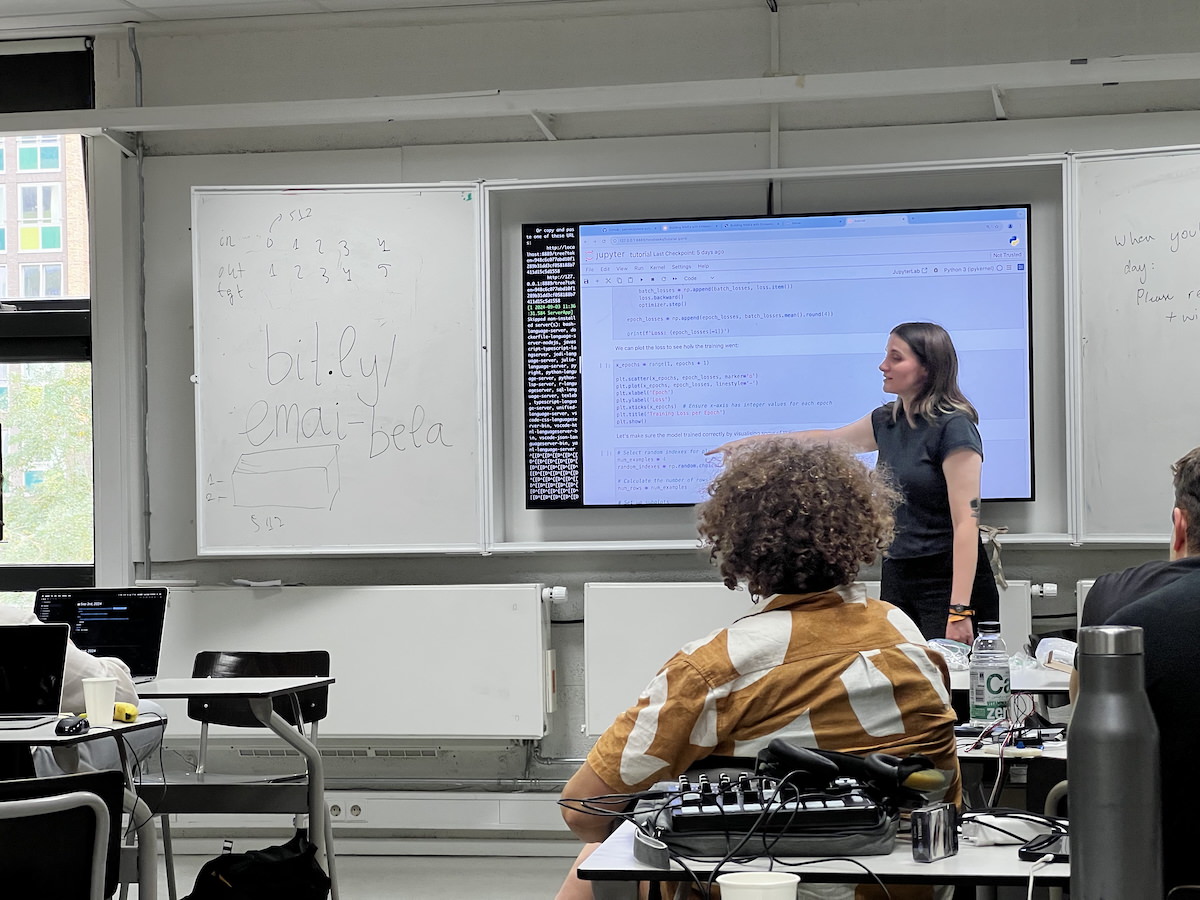
Teaching at a workshop

Am I expected to know everything on the first day?

Of course not!

  • Teaching is a craft, we learn by doing.
  • As a tutor you have a well-defined role, lots of resources, and support.
  • Not expected to be perfect on day 1, or even day 100.

We’re going to talk about developing as an educator.
Photo by David Schultz on Unsplash

Task: Getting to know you as a learner (5mins)

Reflect on your teaching experiences, expectations and learning needs.

Select three sticky notes from your table and answer these three questions:

  • What do you enjoy or expect to enjoy about tutoring?
  • What challenges have you faced or do you expect to face as a tutor?
  • What aspects of tutoring would you most like support with?

Discuss with your group and then we’ll hear one example of each question from each table.

What are your expectations about tutoring?

How do people develop as teachers?

Kugel (1993) describes one pathway of development as university teachers:

  • Self
  • Subject
  • Student…

As educators we also learn and are influenced by our environment, experiences, and self.

Phase 1: Emphasis on Teaching

  1. Focus on self: Survival in front of a class! Learning how to explain, fear of not knowing the “right” answers.
  2. Focus on subject: Covering the topic thoroughly (more than a student!). Preparing packaged, inspiring, and interesting content. Fear of running out of time!
  3. Focus on student: Students are different! Prepare alternatives formulas and explanations. Learn about student needs, awareness of multiple valid approaches.

A teacher up the front

Phase 2: Emphasis on Learning

  1. Student as active: Let students do the work! Coaching students in applied learning activities. Teaching less, but more learning occurs.
  2. Student as independent: Coach students in learning how to learn. Let students independently explore. (What knowledge will be important in computing in 20 years?)
  3. Tuning: Established skills in previous stages. Move between stages as necessary, updating and experimenting.

A teacher at the side

Risks

Early stages:

  • Great content, students not engaging and not learning.
  • Overwhelm students with explanations: answering questions not asked.
  • Frustrating when student don’t find this fascinating topic interesting!

Later stages:

  • Getting students to do things: tricky.
  • Teaching less doesn’t mean nothing: still need telling/showing (explicit teaching).
  • Need to do listening and questioning: these are hard skills.
  • Students annoyed! “Just tell me what to do!!”

Task: What stages resonates for you?

Think about the phases/stages of teaching described in Kugel (1993)

  • Focus on self
  • Focus on subject
  • Focus on student
  • Student as active
  • Student as independent
  • Tuning

What stages resonate for you and why? Where are you on your teaching journey?

Discuss in your groups and we will come together to hear some responses.

What kind of a teacher will you be this semester?

Questions: Who has a question?

Who has a question?

It’s time for a break so we can remember questions for when we come back or for discussion over coffee…

Time for coffee.

References

Kugel, P. (1993). How professors develop as teachers. Studies in Higher Education, 18(3), 315–328. https://doi.org/10.1080/03075079312331382241